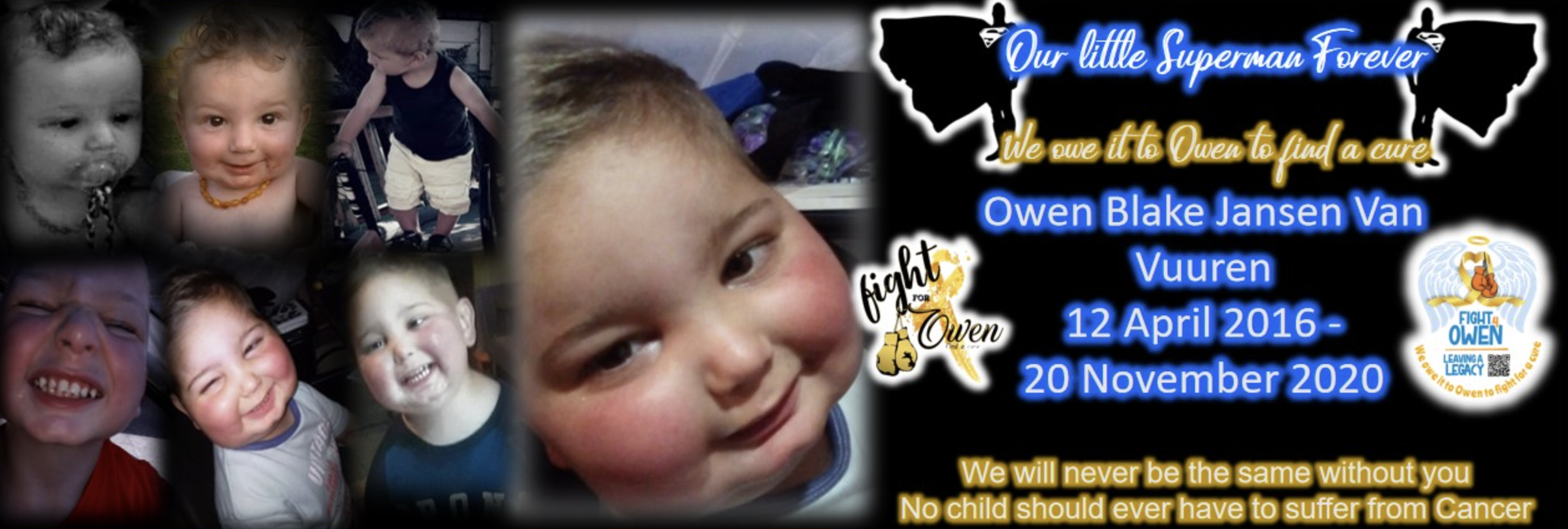
Owen’s Story: A Superman, a Mother’s Words, and the Reality of DIPG
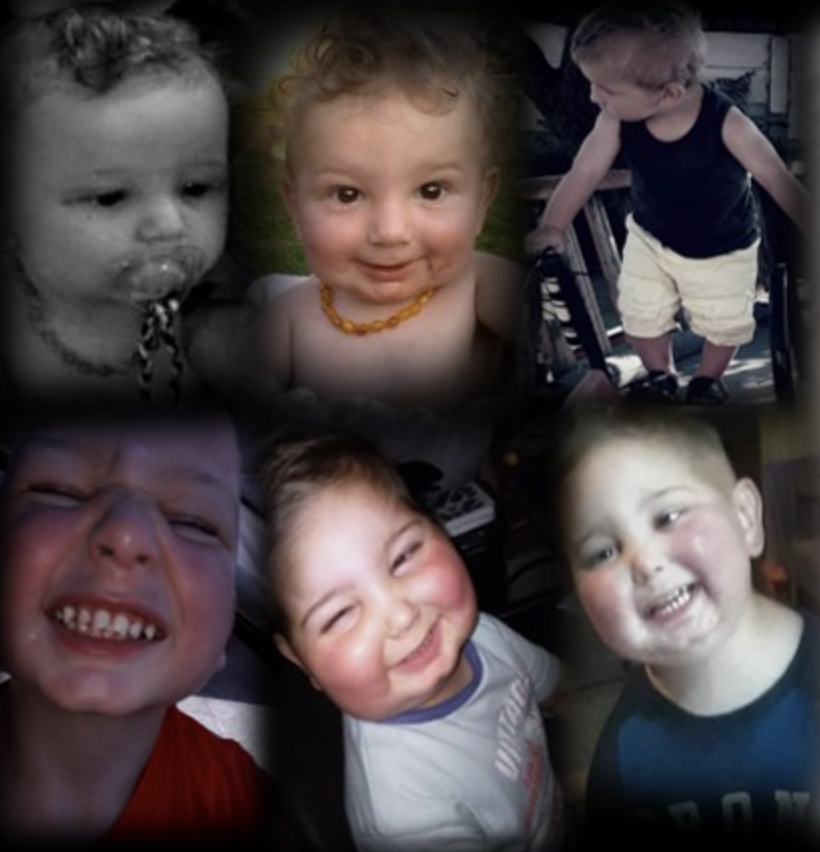
Owen Blake Jansen Van Vuuren was a strong, brave Superman.
In March 2020, Owen was diagnosed with diffuse intrinsic pontine glioma (DIPG) — a rare and aggressive childhood brain cancer. From that moment on, Owen and his family were forced to navigate a world no parent ever expects to enter.
This blog post is rooted in a podcast conversation between Fei Wu and Owen’s mother, Candice Hamman, with Owen’s father Carl and little brother Seth also joining the conversation. What follows centers Candice’s voice — her experience, her grief, and her determination to ensure Owen’s story leads to awareness and change.
Super-Human Resilience
Even as treatment altered Owen’s body and daily life, Candice describes a strength that still defines how she remembers her son.
Candice:
“You know he took it in his stride. And the thing is, as soon as the cortisone really started changing what he looked like instead of complaining about the fact that his T shirts no longer fit him, he would just say that his teddy tubby was hanging out and he'd find it a joke in it. If I think about how strong he was and how much of everything that was going wrong with him he took in his stride. He is our Superman. He was just such a team player and he just handled so much better then I think most adults would have handled it.”
Owen’s humor, resilience, and teamwork became a source of strength for everyone around him.
The Harsh Realities of DIPG
Candice speaks openly about the impossibility of explaining loss of ability, anger, and frustration to a four-year-old — and the unbearable feeling of having no options to offer.
Candice:
“How do you try and explain this to a four year old and he gets angry and frustrated with you because she cannot do what he's used to doing and it comes to a point where you would give anything in this entire world to try to help your child? But there's nothing available and it's just unacceptable. There are so many different treatments. Yet with regards to pediatric cancer, it's just empty. Well with nothing, nothing. You have nothing to go back on. You just kind of get sent home and everybody just expects you to be happy and deal with it. I cannot let it go and I will not let it go because I can't get over the fact that my 4 year old boy is gone. I've nothing left but this nagging voice my head that says you need to do something.”
Her words capture what so many DIPG families experience — devastating diagnosis followed by silence, absence of options, and an expectation to endure without support.
A System Struggling to Respond
During the conversation, Fei Wu reflects on the broader challenge of pediatric cancer funding and understanding, particularly from a policy and medical perspective.
Fei Wu:
“I'm I'm sorry to hear that and. I I feel like I. I'm looking at the communities in the US. There seems to be and this is why we're very interested in talking to policymakers as well as some of the the doctors for a pediatric cancer to have a better understanding of it as well, because we, at Childhood Cancer Hall of Champions we're struggling to understand overall why there's so little money and such limited resources committed to this”
Pediatric Cancer in South Africa: A Lack of Funding and Awareness
Candice explains that in South Africa, the lack of funding for pediatric cancer made an already impossible journey even harder.
Candice:
“I cannot hold another child exactly like he was. I think that the you know there's actually no funding in South Africa at all for pediatric cancer. Nothing. So a lot of the the doctors that are working on sort of any sort of pediatric cancer itself are funding it themselves. There are no private investors. There's no funding for Cancer Research at all, and when it came to reaching out to people for information went on. Was this diagnosed? I had to reach out to people in the US because nobody in this country knew what I was talking about when it came to Owens palliative care. His palliative care doctor had no idea what the DIPG was, and that's the third thing a lot of these doctors do not even know what it is. They they sort of have to research it and when they do, they kind of come back to say, well Oh my God, I'm so sorry. If our medical professionals are unaware of what this kind of cancer is, that just goes to show how bad this really is.”
The Quiet Weight Families Carry
Grief often carries guilt, even when families know logically they are not to blame. Fei Wu shares her own experience with this emotional burden.
Fei Wu:
“My heart goes out to you when I hear you say you know, you feel like a failure because that's how that's how I felt as a as a daughter for several years. I literally felt like I let my dad die like I somehow almost like I caused it. I let people do this to him. You know, that was really a hard way to live for a long time and. And it took me a long time to process, even though I knew it wasn't logical that I knew I wasn't able to fix him, or in a position to really, really save him, but. I. Again, this happened so recently, so I'm I'm looking at little Seth standing next to you. I mean, I, it just makes me just makes me so happy to see him to be honest.”
Cancer Has No Borders
Candice’s message is global, urgent, and clear.
Candice:
“I think as a family we've tried everything we possibly could within our means without our means. The most amazing thing to me is honestly that you know they can transplant so many different organs, but they cannot take the organ that is infected by this disease and they cannot transform that. Why can't they do that? That's I understand that there's probably sort of a lot of things that you need to be aware of, but I don't understand why certain cancers get more attention than others. Cancer as a whole should get a lot more funding and a lot more backing from everybody in the world. Cancer doesn't have borders. I don't think it its treatment should either.”
Preserving Owen’s Legacy
Candice continues to share Owen’s story to preserve his legacy and increase awareness for DIPG — because silence does nothing, and stories save lives.
👉 Read Owen’s full story:
https://www.childhoodcancerhall.com/stories/owens-story
👉 Support DIPG awareness:
https://www.facebook.com/fightforowendipg
At the Childhood Cancer Hall, we share stories like Owen’s with care, dignity, and accuracy — because every word matters, and every child deserves to be remembered exactly as they were.
Owen was a Superman.
And his words — and his mother’s — continue to stand.