
Helping Children Name Big Feelings After a Cancer Diagnosis
Why Emotional Tools Matter — and the Power of Gentle Companions
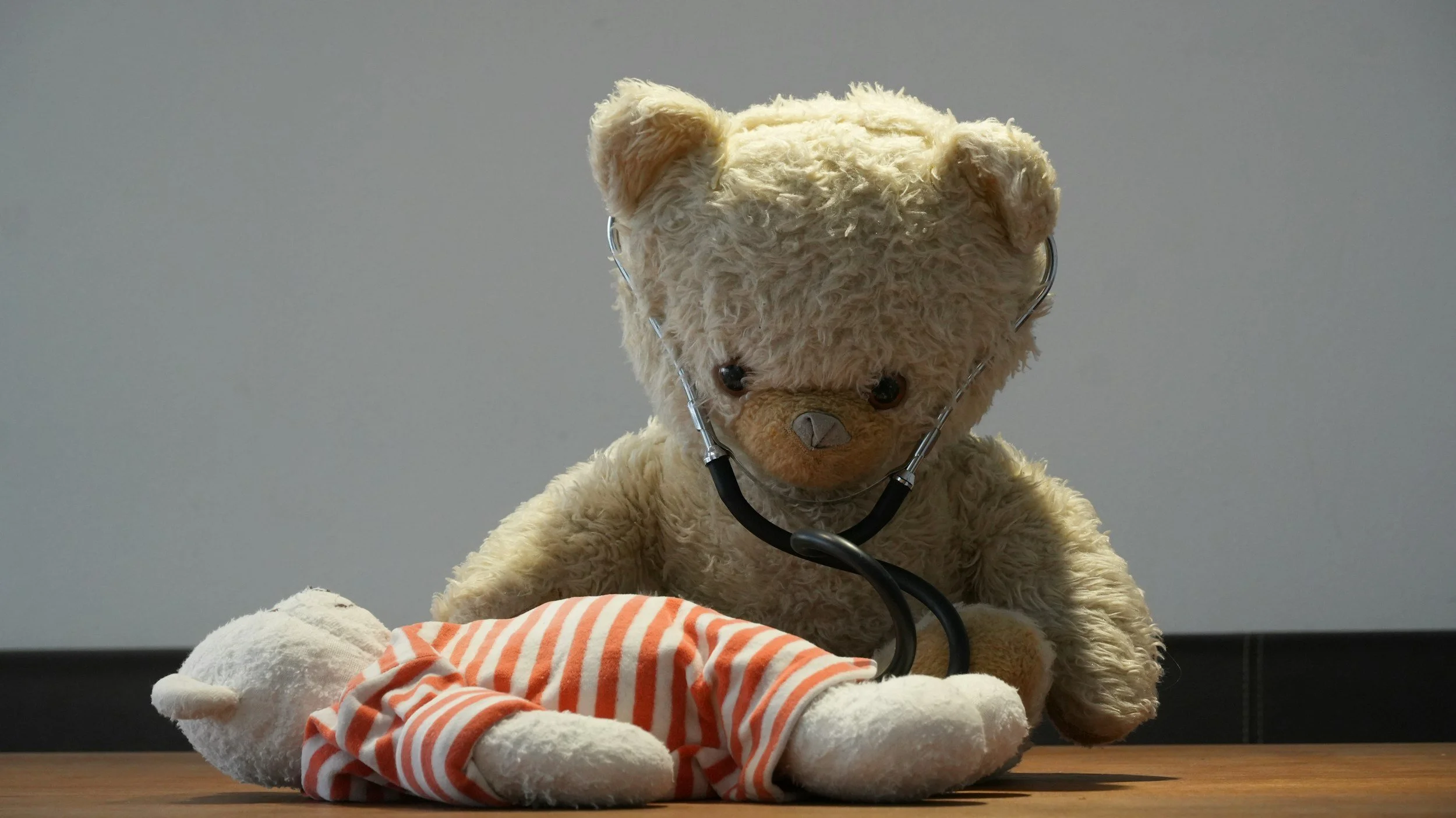
When a child is diagnosed with cancer, the focus often turns immediately to treatment plans, appointments, and physical side effects. But alongside the medical journey runs another path — quieter, harder to measure, and just as important.
The emotional journey.
Fear.
Sadness.
Anger.
Guilt.
Confusion.
Isolation.
These feelings don’t arrive neatly or one at a time. They overlap, collide, and show up in unexpected ways — tantrums, withdrawal, silence, or sudden overwhelm. For many children, especially younger ones, emotions are felt deeply before they can be named out loud.
As caregivers, one of the most meaningful things we can do is help children feel safe expressing what’s happening inside.
Why Emotional Expression Matters in Childhood Cancer
Children living with cancer often experience:
Loss of routine and predictability
Fear of medical environments
Separation from peers
Changes in their bodies and identity
Yet they may not have the language to explain what they’re feeling.
Supporting emotional expression isn’t about fixing feelings — it’s about making space for them.
Tools that encourage storytelling, imaginative play, and safe expression can help children:
Externalize fear instead of carrying it alone
Practice coping skills through play
Feel validated rather than overwhelmed
This is where play becomes more than play.
It becomes communication.
Naming Feelings Through Story and Play
At the Childhood Cancer Hall, we believe children deserve more than clinical explanations — they deserve language that meets them where they are.
That’s why we’re drawn to creators and tools that approach emotional health with gentleness, imagination, and respect for a child’s inner world.
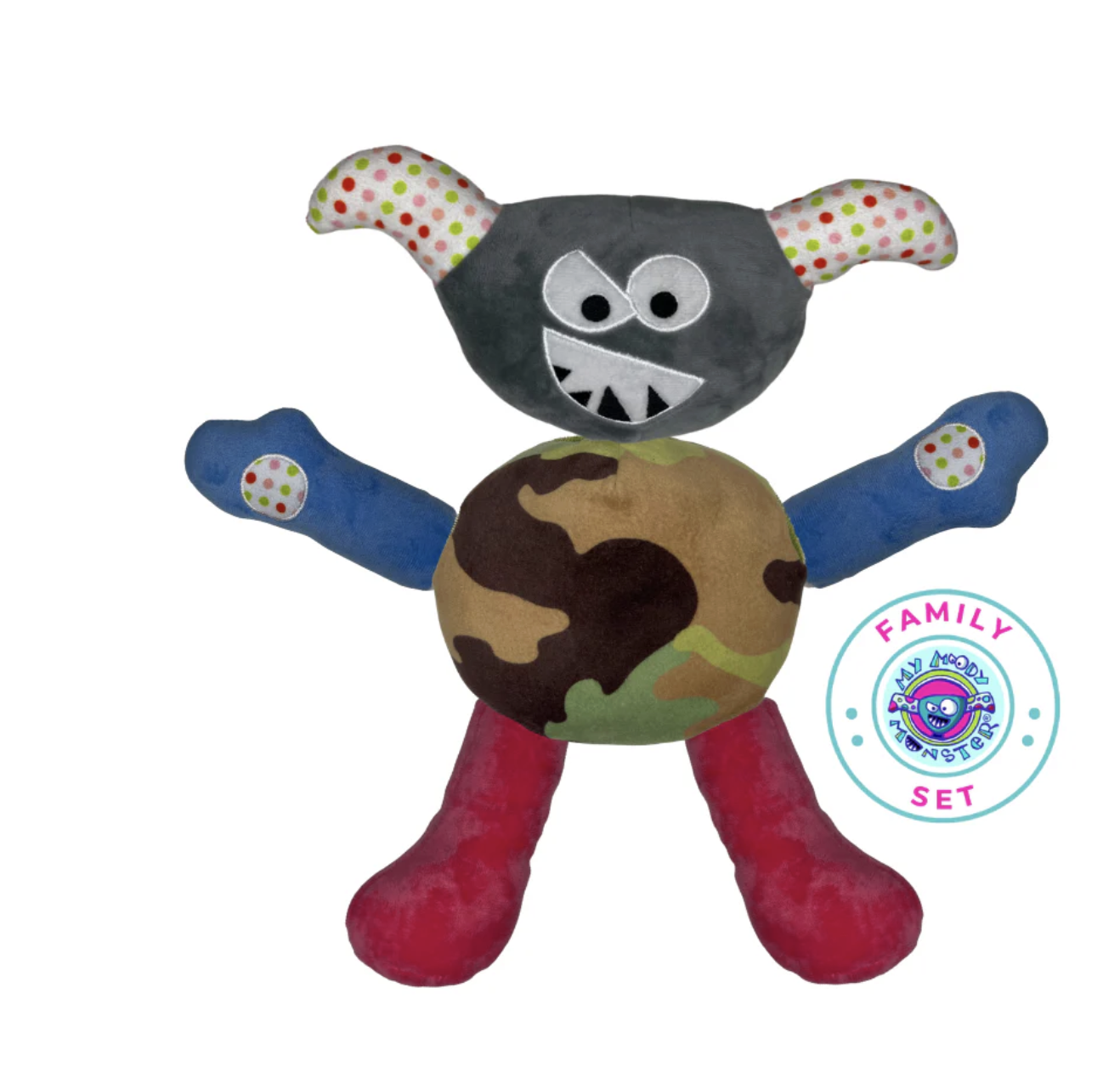
One example we admire is My Moody Monster — a thoughtfully designed emotional-support companion created to help children navigate BIG feelings through play.
Rather than telling children how they should feel, tools like this invite them to explore:
What fear feels like
When anger shows up
How comfort can look and sound
That emotions don’t make them “bad” or “wrong”
Families have shared how children use these kinds of companions as sounding boards — talking to them when words feel too heavy to say to an adult.
For children facing cancer, emotional support isn’t optional — it’s essential.
Tools that help children:
Name what they feel
Find comfort without pressure
Practice coping through imagination
can quietly change how they move through treatment, hospitals, and recovery.
