
How to Talk to Someone Dealing With a Childhood Cancer Diagnosis
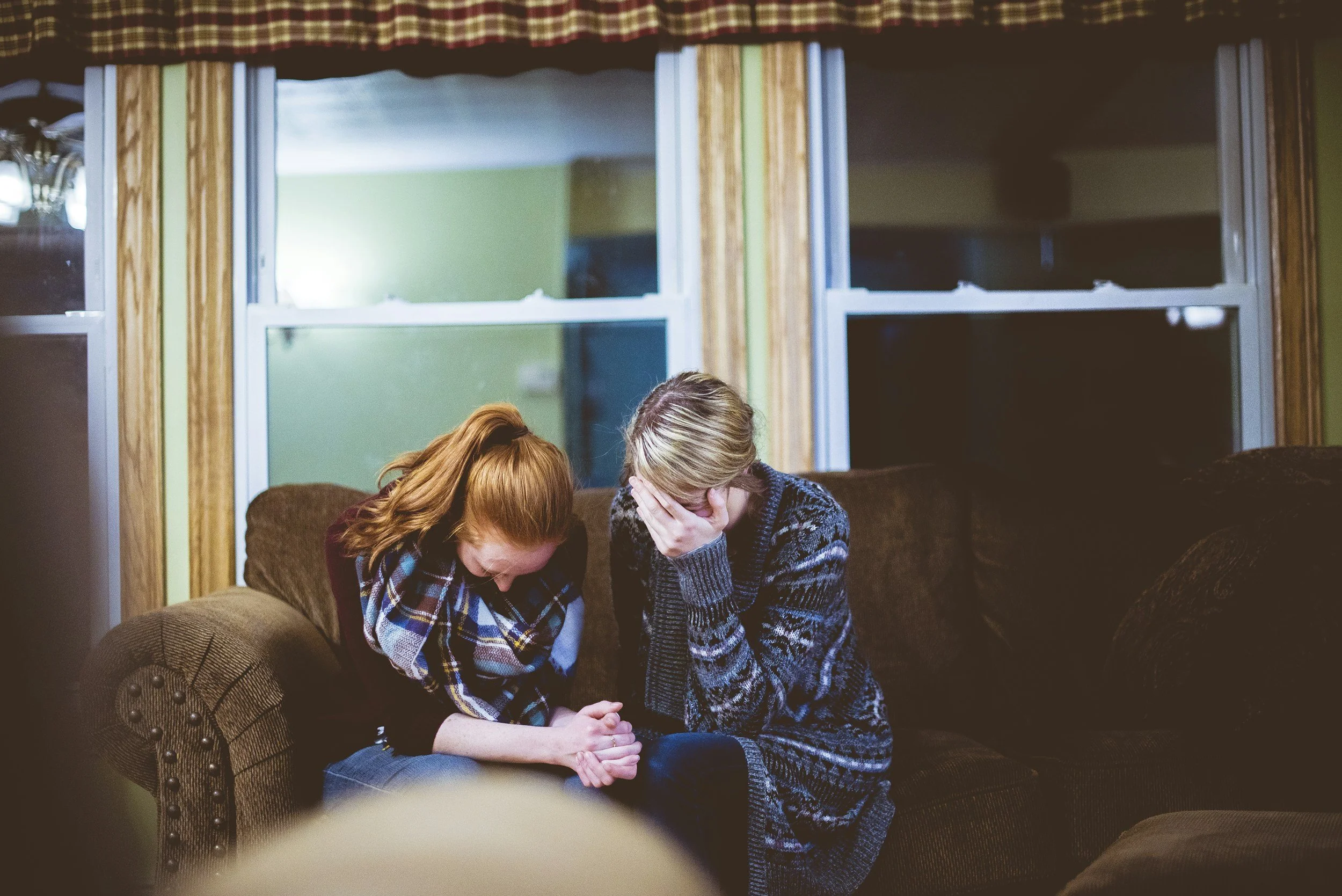
When a child is diagnosed with cancer, people often want to help — but don’t always know what to say. Words matter, especially during moments of shock, fear, and uncertainty. While no phrase can make the situation better, the right words can provide comfort, support, and relief. The wrong ones, even when well-intended, can unintentionally add pressure or pain.
This guide shares what to say — and what to avoid — when supporting families facing a childhood cancer diagnosis, along with the reasons why.
What to Say to Families Facing Childhood Cancer
“I’m here for you and your family.”
This simple statement communicates presence without assumptions. It reassures the family that they’re not alone and that support is available when they need it.
“Take your time to process this information, and feel free to reach out when you’re ready.”
A childhood cancer diagnosis can be overwhelming. Giving families permission to process at their own pace removes pressure to respond, explain, or reassure others before they’re ready.
“If you need someone to talk to, I’m always available.”
This opens the door without forcing conversation. It allows families to choose when — and if — they want to talk.
“It’s completely normal to feel a range of emotions during this time.”
Fear, anger, sadness, numbness, and hope can coexist. Validating emotional complexity helps families feel seen rather than judged.
“I’m happy to help with practical things, like meals or childcare for siblings.”
Concrete offers of help are often more meaningful than words alone. Practical support can ease daily burdens and allow families to focus on their child.
“It’s okay to take breaks and focus on self-care.”
Caregivers often feel guilt about rest. Reminding them that self-care is necessary — not selfish — can be deeply supportive.
“How can I support your child’s interests or hobbies right now?”
Cancer treatment doesn’t erase a child’s identity. Supporting hobbies, play, and joy helps preserve normalcy and emotional well-being.
What Not to Say — and Why
Don’t say: “I know exactly how you feel.”
Why: Even if you’ve faced cancer yourself, every experience is different. This phrase can unintentionally shift focus away from the family’s unique experience.
Don’t say: “You need to stay positive.”
Why: Constant positivity is unrealistic and emotionally exhausting. It can make families feel like they’re failing if they experience fear or sadness.
Don’t say: “At least it’s not as bad as [another type of cancer].”
Why: Comparisons minimize pain. For that family, this diagnosis is likely the hardest thing they’ve ever faced.
Don’t say: “Don’t be sad — you need to be strong for your child.”
Why: This equates strength with emotional suppression. True strength includes allowing and processing difficult emotions.
Don’t say: “This happened for a reason.”
Why: While some people find meaning later, hearing this during crisis can feel dismissive or painful. Growth, if it comes, will come in its own time.
Remember: thoughtful language matters.
When supporting families facing childhood cancer, words should reduce pressure — not add to it. The most helpful responses focus on presence, validation, and practical support, rather than advice or explanations.
You don’t need the perfect phrase. You just need to listen, show up, and let families lead.
Talking with someone dealing with a childhood cancer diagnosis can feel intimidating, but compassion doesn’t require perfection. Choosing words that validate emotions, respect boundaries, and offer tangible support can make a meaningful difference during an incredibly difficult time.
Sometimes, the most powerful thing you can say is simply: “I’m here.”
