
How Art Therapy Supports Children With Cancer
A cancer diagnosis can be overwhelming for anyone — but for a child, it can feel confusing, frightening, and deeply isolating. Alongside medical treatments, children coping with cancer often need emotional outlets that feel safe, gentle, and age-appropriate.
Art therapy has emerged as a powerful form of emotional support for children with cancer. By using creative expression as a therapeutic tool, art therapy helps children process complex emotions, manage stress, and regain a sense of control during an otherwise unpredictable journey. This article explores what art therapy is, how it works, and why it can be a valuable part of a child’s cancer care and recovery.
What Is Art Therapy?
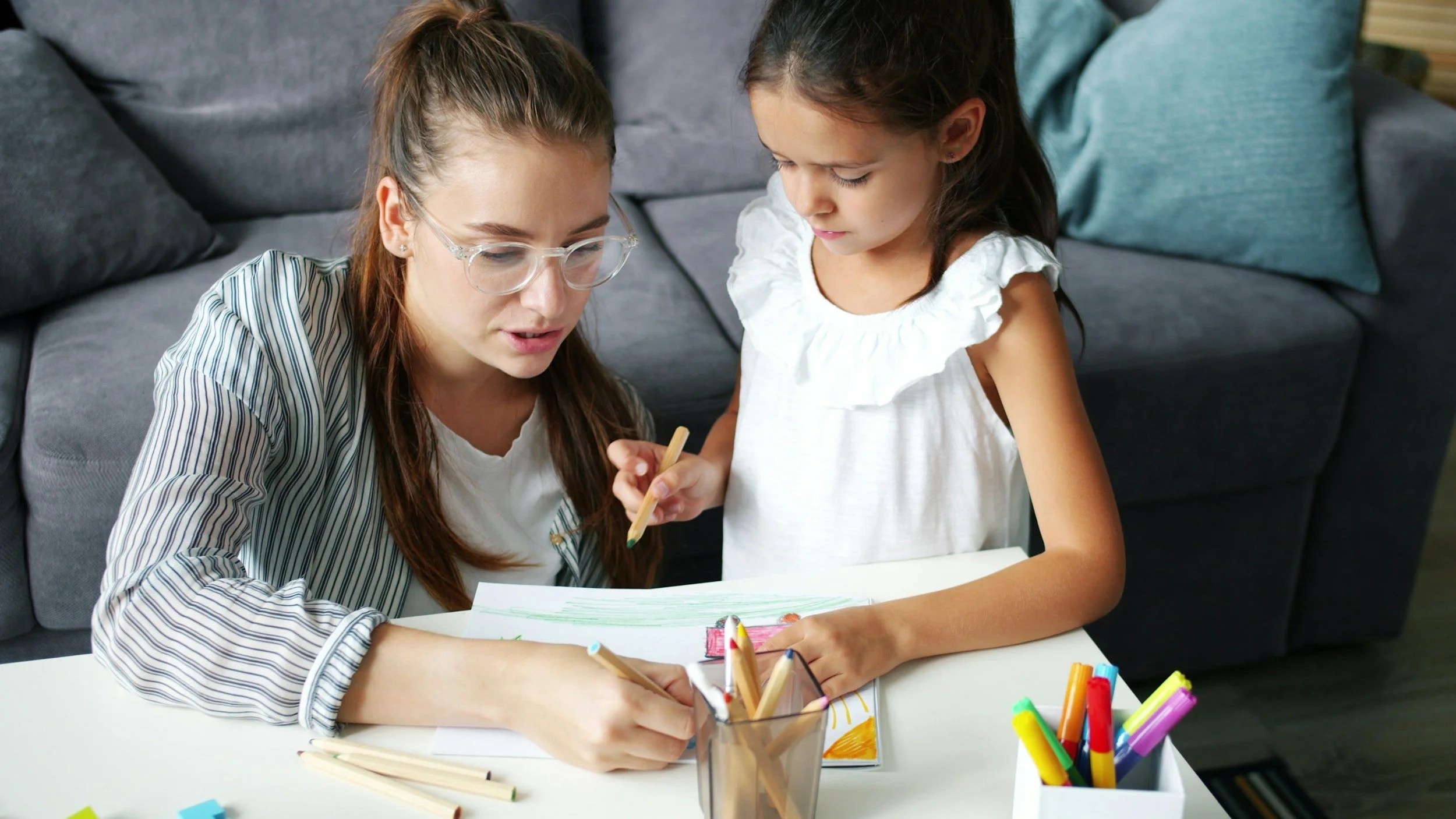
Art therapy is a structured, evidence-based therapeutic practice facilitated by a trained professional art therapist. It goes far beyond simple arts and crafts. In art therapy, children use creative mediums — such as drawing, painting, sculpture, or collage — to express thoughts and emotions that may be difficult to put into words.
Unlike recreational art activities, art therapy has specific therapeutic goals. The focus is not on artistic skill, but on emotional expression, coping, and psychological well-being. Sessions are guided by a professional who understands both child development and the emotional impact of serious illness.
Benefits of Art Therapy for Children With Cancer
Art therapy offers a wide range of emotional, psychological, and developmental benefits for children undergoing cancer treatment or living in survivorship.
Emotional Expression
Children often struggle to verbalize fear, sadness, anger, or uncertainty. Art therapy provides a nonverbal language, allowing children to express emotions through color, shape, and texture in ways that feel safe and natural.
Healthy Coping Skills
The creative process itself can be calming and grounding. Art therapy helps children manage anxiety, stress, and emotional overwhelm, offering a constructive outlet during difficult moments.
Sense of Control and Autonomy
Cancer treatment can leave children feeling powerless. Choosing materials, themes, and creative direction gives children a sense of agency — something especially important when so much else feels out of their control.
Social Connection and Belonging
In group art therapy sessions, children can connect with peers who understand their experience. Creating alongside others helps reduce feelings of isolation and builds emotional support through shared understanding.
Developmental and Cognitive Support
Art therapy supports normal childhood development by engaging fine motor skills, problem-solving, imagination, and emotional regulation — even during long hospital stays or intensive treatment periods.
Art Therapy Techniques and Approaches
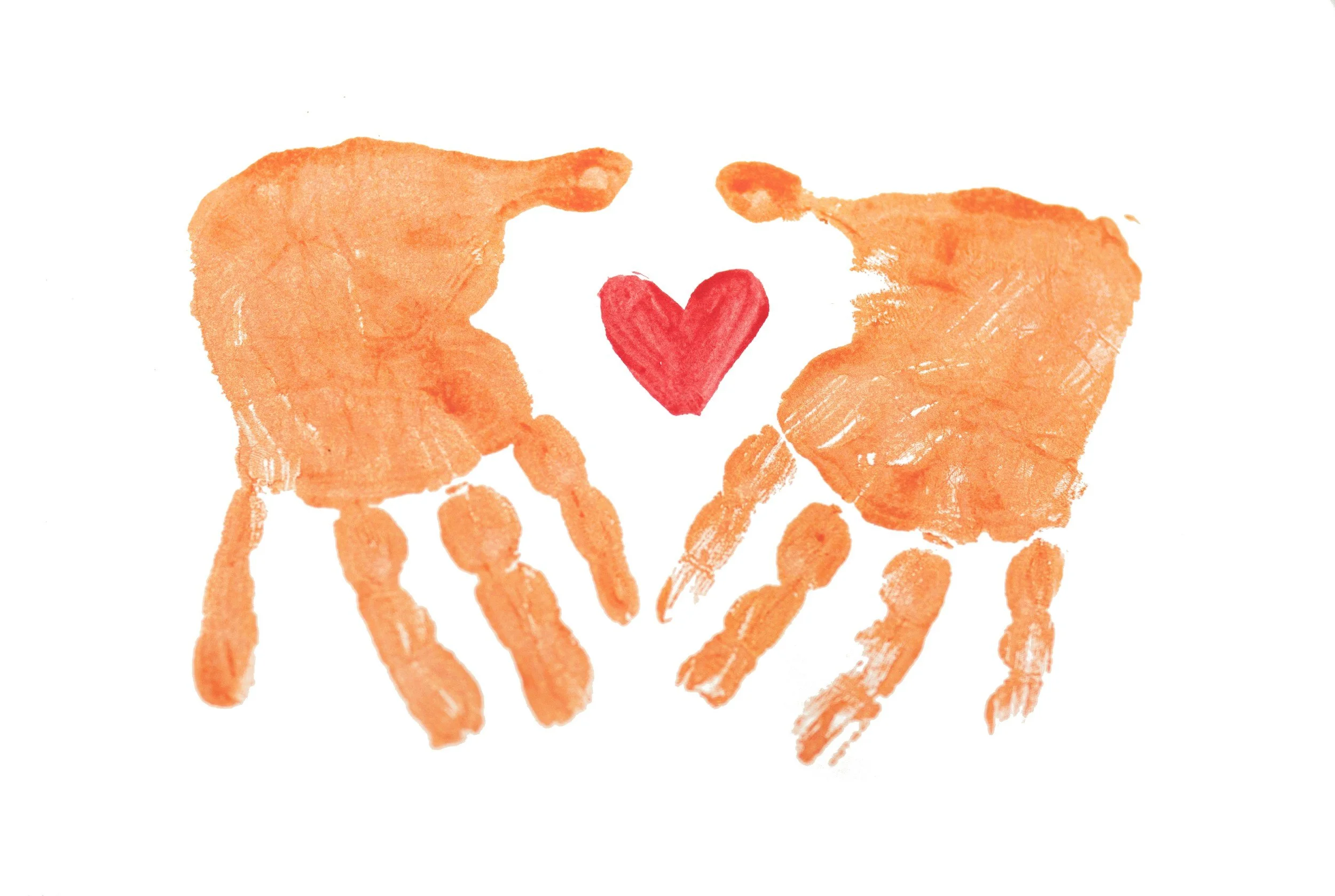
Art therapy can be adapted to meet the needs of children of different ages, abilities, and treatment stages. Common approaches include:
Individual Art Therapy
One-on-one sessions focus on a child’s unique emotional needs, personal goals, and medical circumstances. These sessions are especially helpful for children who are overwhelmed or prefer quieter environments.
Group Art Therapy
Group sessions encourage peer interaction, emotional sharing, and mutual support. Children often feel less alone when they see others creating and expressing similar feelings.
Integrative and Holistic Approaches
Art therapy may be combined with other supportive therapies such as music therapy or play therapy to create a more holistic emotional care plan.
Research, Organizations, and Professional Support
While individual experiences vary, a growing body of research supports the use of art therapy for children with serious illnesses. Professional organizations provide education, standards, and resources for families and care providers.
Groups such as the American Art Therapy Association publish research, best practices, and educational materials related to pediatric art therapy. Credentialing and professional standards are overseen by the Art Therapy Credentials Board, which helps families identify qualified practitioners.
How to Integrate Art Therapy Into a Child’s Care Plan
Incorporating art therapy into a child’s cancer care often involves collaboration and planning.
Work With the Medical Team
Coordination between healthcare providers and art therapists ensures that sessions align with treatment schedules, physical limitations, and emotional needs.
Find a Qualified Art Therapist
Look for licensed or credentialed art therapists with experience working with children and medical populations. Hospital programs, nonprofit organizations, and credentialing boards can help locate appropriate providers.
Tailor Therapy to the Child
Art therapy should always be flexible and child-led. A therapist will adjust materials, session length, and goals based on the child’s energy level, age, and comfort.
Considerations and Common Challenges
While art therapy offers meaningful benefits, there are practical considerations to keep in mind:
Availability and Access: Not all hospitals or communities offer art therapy programs.
Cost: Coverage varies depending on location, provider, and insurance.
Misconceptions: Some families may assume art therapy is purely recreational. Education helps clarify its therapeutic value.
Understanding these factors can help families advocate for appropriate emotional support.
Art therapy provides children with cancer a powerful way to express themselves, cope with emotional challenges, and reconnect with a sense of creativity and control. Through guided artistic expression, children can process difficult experiences, reduce stress, and build emotional resilience — even in the midst of treatment.
As part of a comprehensive care approach, art therapy supports not just survival, but emotional healing and quality of life for children facing cancer.
